
Green Mountain Power adds Enphase backup batteries to energy storage program
By Anne Archer, Vermont News and Media correspondent at the Bennington Banner
Green Mountain Power, in partnership with Bennington’s Power Guru, is introducing Enphase Energy Inc., a California based global energy technology company, to Vermont homeowners and businesses.
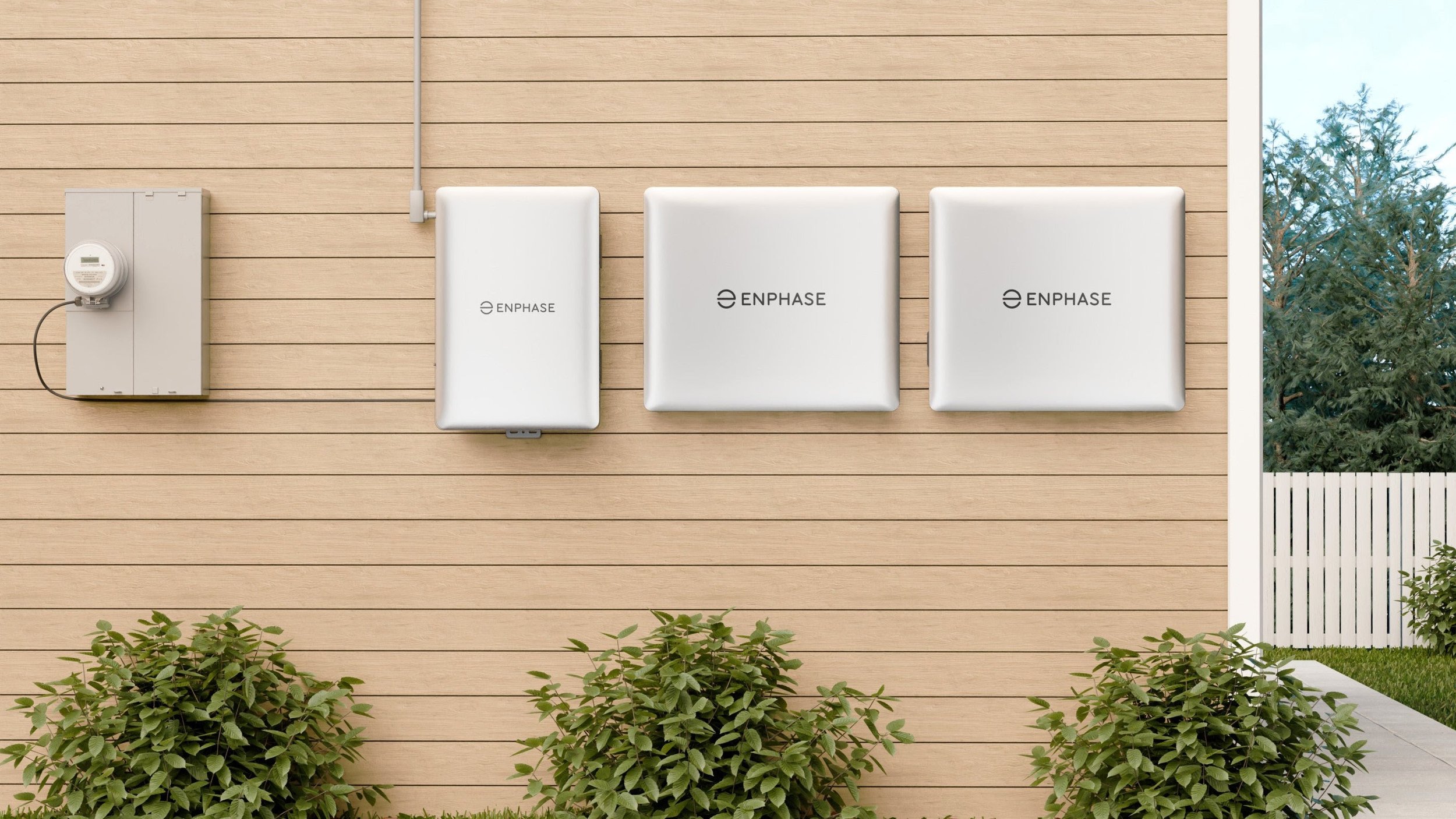
The fourth-generation Enphase 10C battery – a backup battery that can store 10 kilowatt-hours of electricity – is now available for lease, alongside Tesla’s Powerwall battery, through GMP’s Energy Storage Solutions Program.
Alexander Mintz, owner and operator of Power Guru, a GMP certified backup battery installer, expressed his support for Enphase.
“Enphase is a great company,” Mintz said, adding they are publicly traded and have been in business for over 20 years. “They partnered with GMP to make it affordable for folks to install batteries for backup power in their homes.”
GMP customers who sign up for the Energy Storage Solutions Program can lease Enphase or Tesla backup batteries for $55 a month (amount added to monthly GMP bill for 10 years) or make a single payment of $5,500 (amount added to GMP bill as a one-time charge).
The Enphase 10C battery lease comes with a 15-year warranty with the option to extend the lease for an additional five years at no cost. At the end of the lease, the batteries are removed from the home, allowing the lessee to upgrade to new technology.
Customers who lease the batteries – a significant savings from purchasing – agree to share stored energy (through discharge) with GMP during peak energy use times when utility companies typically have to purchase energy from expensive and carbon intensive peaker plants.
By sharing stored energy during peak times and sending it back to the grid, overall utility costs are reduced — savings that can, in theory, trickle down to customers over time.
According to Mintz, GMP discharges from in-home batteries roughly five to seven times a month. After discharge, the batteries are refilled from the grid or solar panels. The round-trip process takes about six hours.
Mintz explained that utility companies and manufacturers have put measures in place to model weather forecasts, ensuring utilities don’t discharge in-home batteries before a forecasted extreme weather event, ensuring stored energy is in homes when needed.
Two fourth-generation Enphase 10C batteries, which combined are about the size of a minifridge, provide 20 kilowatt-hours of stored energy – an amount of electricity Mintz said is equal to a full home backup for one to three days.
